
What Is NAD+ and Why Is It Important for Healthy Aging?
Key Takeaways
NAD+ is a molecule your body needs for energy and cell repair
Its levels drop significantly as you get older
Low NAD+ shows up as fatigue, brain fog, and slower recovery
Lifestyle habits can meaningfully support NAD+ production
Early research on NAD+ and aging is genuinely promising
What Is NAD+?
Let's start with the basics.
NAD+ stands for nicotinamide adenine dinucleotide. Ignore the complicated name. What matters is what it does.
NAD+ is a molecule found in every cell of your body. Your cells use it constantly. Without enough of it, things start to break down, slowly, quietly, and in ways that feel a lot like "just getting older."
There are two main jobs NAD+ handles. First, it helps your cells convert food into usable energy. Second, it helps repair damaged DNA. Both of these matter enormously for how you feel day to day, and how well your body holds up over time.
Here at Apothecary Tea Shop, we believe real wellness starts with understanding what your body actually needs. NAD+ is one of those things worth understanding.
How NAD+ Works Inside Your Body
Your body never fully stops working. Your heart beats, your cells divide, your brain sorts through information even while you sleep. All of that activity burns energy, and NAD+ sits right at the center of that energy process.
Inside your cells, there are tiny structures called mitochondria. They work like power stations. NAD+ is one of the key molecules that keeps those power stations running.
But NAD+ does more than fuel your cells. It also activates a group of proteins called sirtuins. These proteins regulate some very important things:
How quickly your cells age
How well your body manages inflammation
How your DNA gets repaired after damage
When NAD+ is plentiful, sirtuins do their job well. When NAD+ drops, sirtuin activity slows. And that slowdown touches nearly every system in your body.
Why Does NAD+ Decline With Age?
This is where things get interesting, and a little frustrating.
Your body produces less NAD+ as you age. At the same time, it starts demanding more of it. More cellular damage means more repair work, which burns through NAD+ faster. Meanwhile, an enzyme called CD38 becomes more active with age and breaks NAD+ down at a higher rate.
The result is a growing gap between supply and demand.
By your 50s, your NAD+ levels may be roughly half of what they were in your 20s. Some studies put the decline even steeper than that. This is not a minor shift. It is one reason researchers are so focused on understanding why we age the way we do.
The body does not announce this drop. It does not send a warning. You start feeling it, in your energy, your focus, your recovery time.
NAD+ Deficiency Symptoms to Watch For
Low NAD+ does not come with a clear label. Its symptoms overlap with stress, poor sleep, and a dozen other things. That is what makes it so easy to miss.
Still, there are patterns worth recognizing:
Feeling tired even after sleeping well
Trouble focusing or thinking clearly
Muscles that feel weaker or take longer to recover
Slower healing after illness or injury
Mood shifts, low motivation, or feeling flat
Skin that seems to be aging faster than expected
None of these symptoms confirm low NAD+ on their own. But if several of them sound familiar and have crept in gradually over the years, your cellular health is worth paying attention to.
A functional medicine doctor can run tests that give you a clearer picture.
NAD+ and Aging Research: What We Know So Far
NAD+ and aging research has moved fast over the last decade. The findings are not final, but they are hard to ignore.
A landmark 2013 study from Harvard showed that raising NAD+ levels in older mice reversed certain signs of muscle aging. Research published in the journal Cell demonstrated that restoring NAD+ improved how mitochondria functioned in aging animals. Human trials using NAD+ precursors like NMN and NR have shown that these compounds can safely raise NAD+ levels in the body.
A few important points to keep in mind:
Most of the most dramatic results come from animal studies
Human research is still in early stages
Scientists are not claiming NAD+ cures or reverses aging
What the research does suggest is that maintaining healthy NAD+ levels plays a meaningful role in how gracefully the body ages. The decline of NAD+ may not just be a side effect of aging, it may be one of the things driving it.
That distinction matters. It changes how researchers think about prevention.
Simple Ways to Support Your NAD+ Levels
You do not need expensive treatments to start supporting your NAD+ levels. Consistent daily habits make a real difference.
Eat the right foods. NAD+ is made from a B3 vitamin called niacin. Foods rich in niacin include chicken, tuna, salmon, mushrooms, and peanuts. Eating a varied, whole-food diet gives your body the building blocks it needs.
Move your body regularly. Exercise is one of the most well-supported ways to boost NAD+ production. You do not need intense workouts. A 30-minute walk most days, combined with some resistance training, goes a long way.
Protect your sleep. Poor sleep depletes NAD+ faster. Seven to nine hours of quality sleep is not optional if you care about cellular health. It is when a large portion of your body's repair work happens.
Try intermittent fasting. Even a simple 12-hour overnight fast activates metabolic pathways that help preserve NAD+. You do not need an extreme protocol to see benefit.
Drink less alcohol. Alcohol metabolism burns through NAD+ quickly. Cutting back even a little helps your body hold onto its reserves.
Herbs, Tea, and Daily Wellness Habits
Long before scientists had a name for NAD+, traditional medicine used plants to support energy, longevity, and cellular vitality. Modern research is starting to explain why some of those traditions worked.
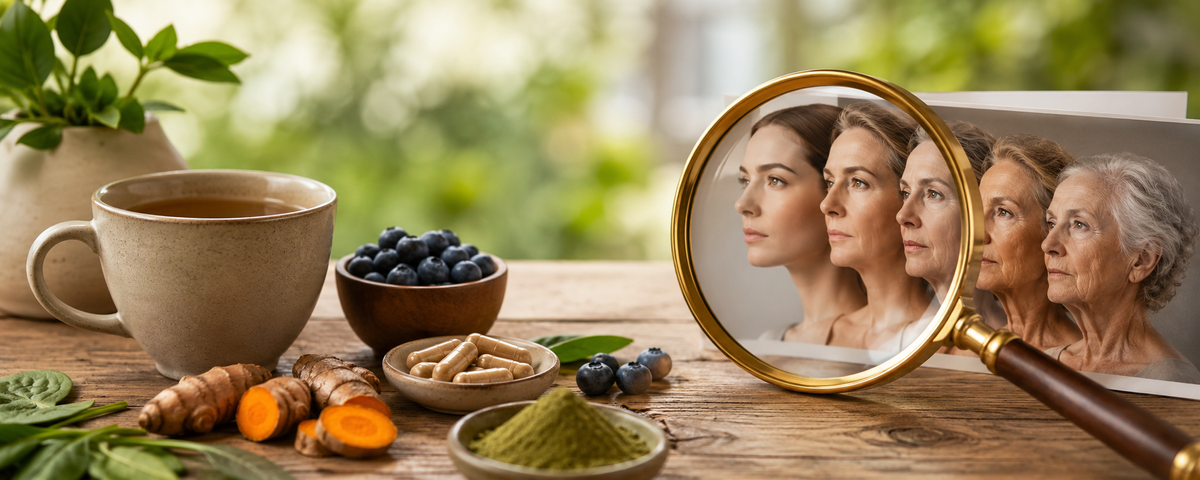
Green tea contains a compound called EGCG. It supports mitochondrial function, the same mitochondria where NAD+ does its most important work. Ashwagandha helps the body manage stress, which matters because chronic stress accelerates NAD+ depletion. Turmeric reduces inflammation, which is closely tied to how fast cells age.
We at Apothecary Tea Shop think about these connections often. Exploring a well-crafted longevity tea that combines these kinds of herbs is one of the simplest, most enjoyable daily habits you can build around cellular health.
Beyond what you drink, a few other habits support the same systems:
Spending time outdoors in natural light
Managing chronic stress through breathwork or meditation
Staying consistently hydrated
Limiting screen exposure in the hour before bed
None of these are dramatic. But sustained over months and years, they protect the cellular machinery your body depends on.
FAQs
Q1: Can I check my NAD+ levels at home?
Some companies offer at-home NAD+ tests using blood spot samples. They are not yet widely available everywhere, but options are growing. A functional medicine practitioner can also order this through a lab.
Q2: Are NAD+ supplements safe to take?
NMN and NR, the two most common NAD+ precursors, have shown a good safety profile in clinical studies so far. Side effects are uncommon and usually mild. That said, speak with your doctor before starting either, especially if you take other medications.
Q3: Does NAD+ actually stop aging?
No. Nothing stops aging. But supporting healthy NAD+ levels appears to slow certain cellular changes associated with aging. The goal is not to reverse the clock, it is to keep your cells functioning well for longer.
Q4: When should someone start paying attention to NAD+?
Research shows NAD+ levels begin dropping noticeably in your 30s. Building supportive habits in your 30s and 40s makes a real difference. But the biology is clear: it is never too late to support your cellular health.
Q5: Can herbs and plant-based drinks really affect NAD+ health?
Directly, no. Herbs do not contain NAD+. But several plant compounds reduce the oxidative stress and inflammation that accelerate NAD+ depletion. Supporting your mitochondria through diet and herbs is a legitimate and well-studied strategy.